About Idea2Paper
Idea2Paper is an idea-to-paper research automation service. Give it a research idea and a target venue — Idea2Paper handles literature review, experiment design, code execution, figure generation, LaTeX writing, and iterative revision. Six specialized AI agents collaborate through a structured pipeline, while you stay in control at every checkpoint via a web dashboard or Telegram.
Demo
A walkthrough of Idea2Paper taking a research idea from proposal to publication-ready paper.
Self-host
Linux or macOS. Builds the conda envs, installs Idea2Paper + Claude Code + Gemini CLIs, runs the dashboard as a systemd --user service, and prints a one-time magic-link URL for your local sign-in. No SMTP, no Google OAuth needed.
curl -fsSL https://idea2paper.org/install.sh | bash--no-webapp skip the local dashboard service
--no-research skip optional research extras
--prefix DIR install to a custom directory
--dry-run preview without changes
The script asks for your Gemini API key, Claude OAuth token, and login email. After install: click the printed magic link → you're in the dashboard at http://localhost:9527. Full docs at doc.html · script at install.sh.
Results
Real papers generated end-to-end by Idea2Paper.
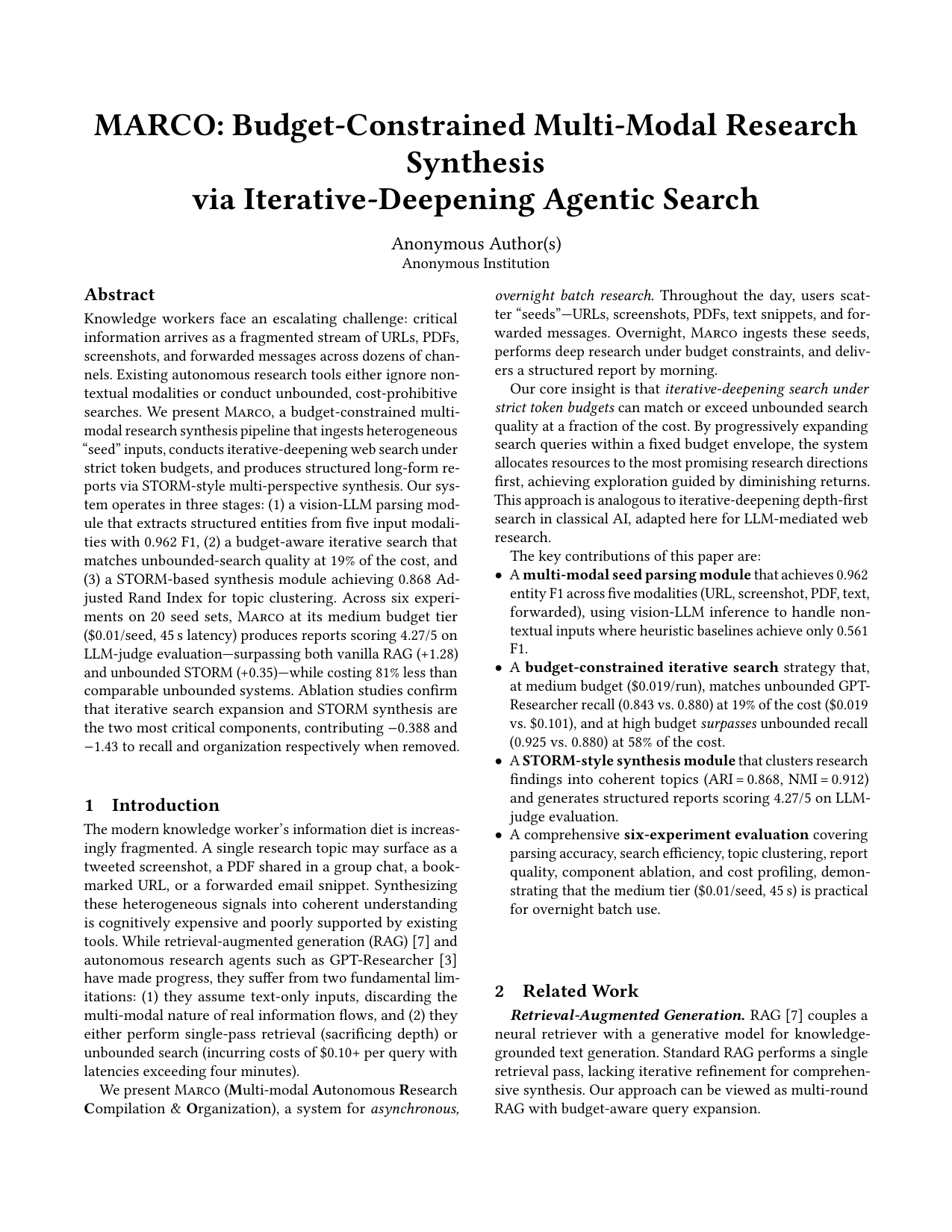 Template: EuroMLSys
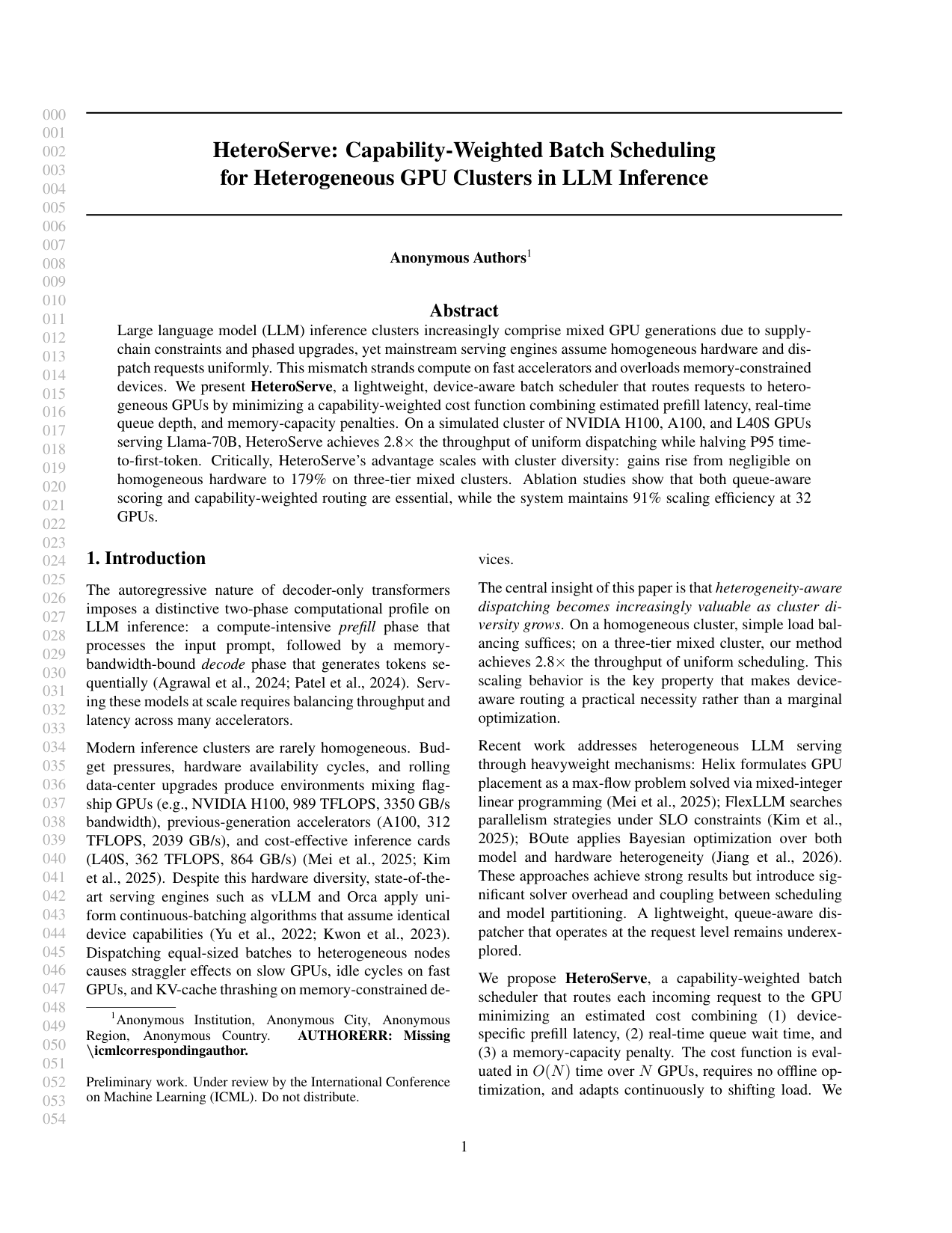 Template: ICML
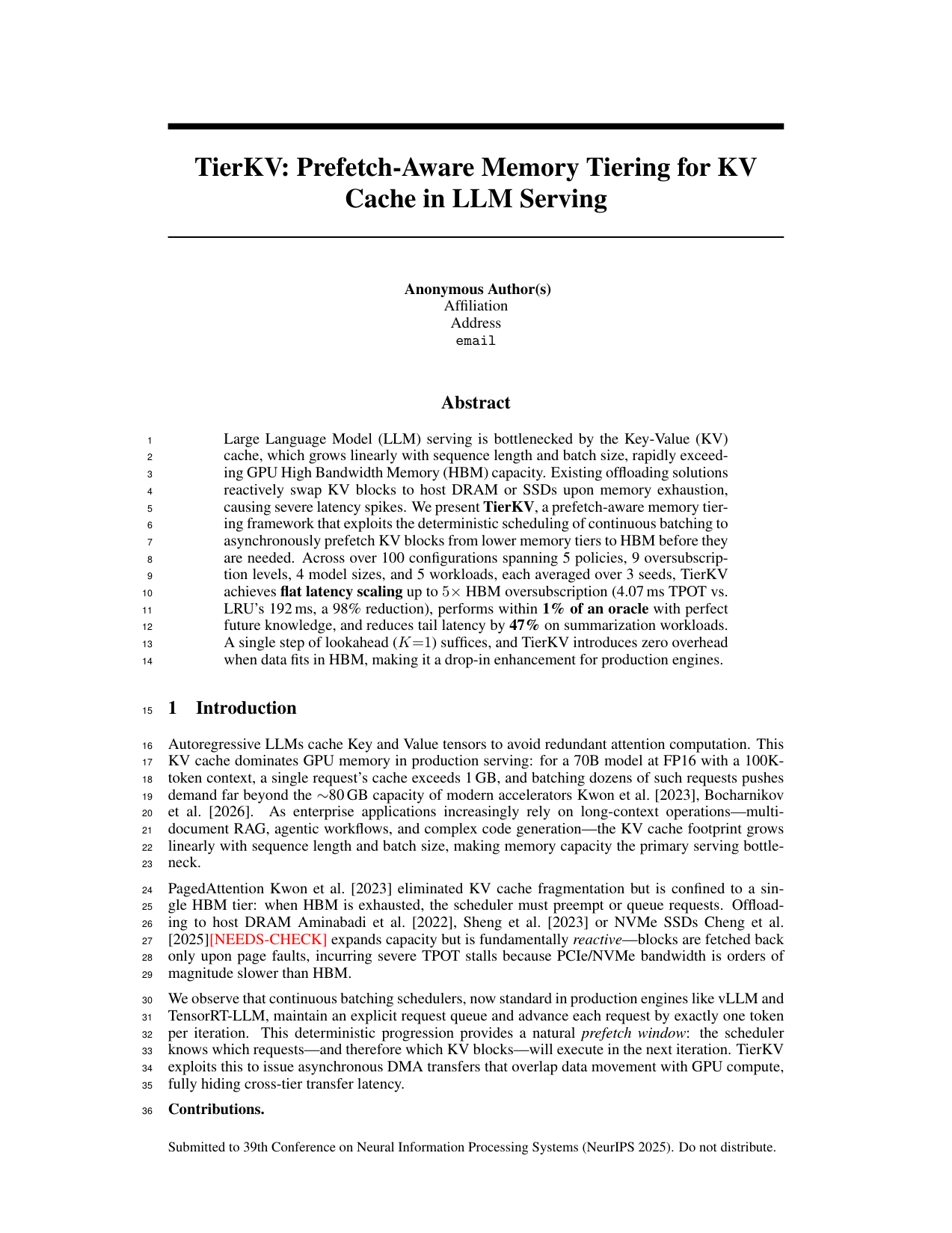 Template: NeurIPS
Venue Intelligence
Why Idea2Paper
How It Works
Research, develop, and review — iterating until the paper meets your quality target.
Deep Research gathers background knowledge and literature survey.
Plan experiments, run on compute, analyze results, evaluate completeness, write initial draft.
Iterative paper improvement until the reviewer score hits the acceptance threshold.
Meet the Team
Six specialists collaborating through shared state and structured handoffs.
Analyzes proposals, generates deep research queries, and bootstraps citations.
Evaluates papers page-by-page and scores across multiple dimensions.
Classifies issues, creates remediation tasks, and plans experiments.
Modifies LaTeX papers and Python plotting scripts for figures.
Runs real experiments, collects and analyzes results.
Writes production code, tests, and maintains code quality.
Paste this to your coding agent (Claude Code, Codex, Cursor, …). It installs Idea2Paper on your machine — detecting your environment, wiring up Slurm + a systemd service, and starting the dashboard for you.
Install and run Idea2Paper (the ARK research framework) on this machine.

1. Detect the environment: OS (Linux/macOS), whether `conda`/`mamba` and `git` are present, and whether Slurm is available (`which sbatch`).
2. Run the official installer:  curl -fsSL https://idea2paper.org/install.sh | bash
   It builds the conda envs, installs the CLIs, and registers the dashboard as a `systemd --user` service.
3. If Slurm is available, confirm the dashboard's Experiments Backend defaults to Slurm (it auto-detects).
4. Verify the dashboard is up:  systemctl --user status ark-webapp  and  http://localhost:9527 . Give me the one-time magic-link sign-in URL it printed.
5. If any step fails, read the install log, diagnose, fix it, and retry — don't stop until the dashboard is running.

Then tell me the dashboard URL and how to add my API keys (Settings → API Keys).